Macon, Georgia   (478) 474-2200

Lymphatic Reconstruction

Restoring flow. Reclaiming quality of life.

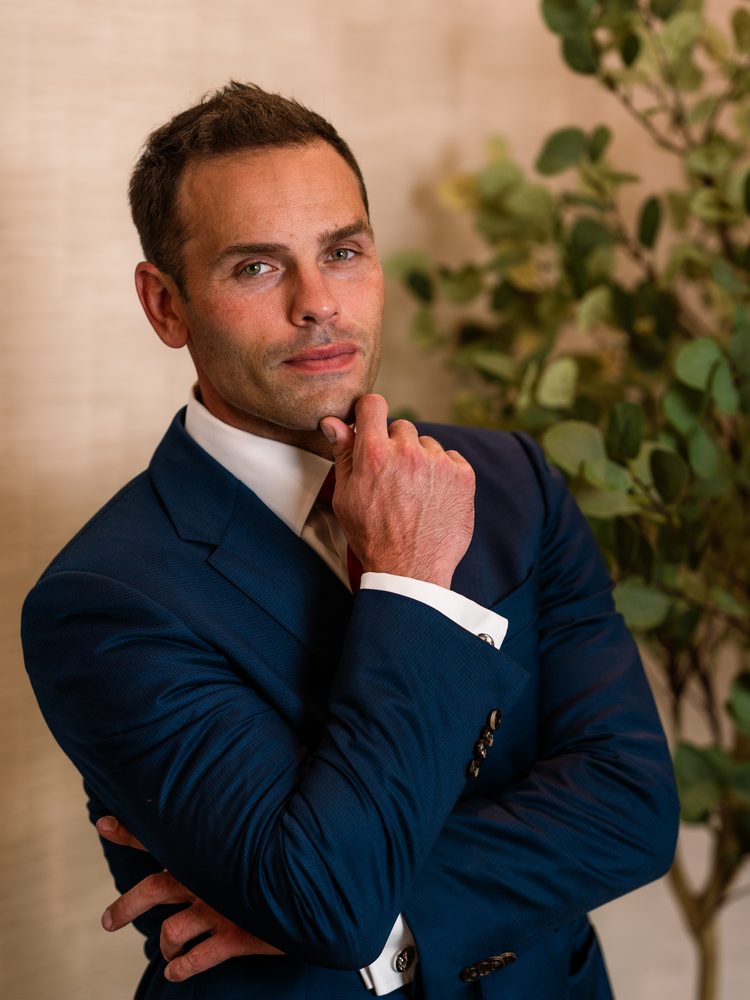
Dr. Travis Boyd, lymphedema surgery and lymphatic reconstruction specialist in Macon, Georgia

You Were Told to
Just Live with It

If you've developed lymphedema after cancer treatment, you know the frustration — the heaviness, the swelling that never fully goes away, the daily routine of wrapping and compression. Too many patients are told that this is simply their new normal.

It doesn't have to be. Dr. Boyd is one of a select number of surgeons in the Southeast trained in advanced microsurgical techniques that can meaningfully reduce lymphedema and, in many cases, prevent it from developing in the first place. Whether you're about to undergo lymph node removal or have been living with lymphedema for years, there are surgical options worth exploring.

Schedule a Lymphedema Consultation

Prevention or Treatment —
Both Are Possible

The right approach depends on where you are in your journey. If you haven't yet had lymph nodes removed, Dr. Boyd can work to prevent lymphedema before it starts. If you're already living with it, microsurgical techniques can reduce swelling and improve your daily life.

Immediate Lymphatic Reconstruction

At the time of lymph node removal

Stop lymphedema before it starts. Immediate lymphatic reconstruction is performed at the same time as your cancer surgery. While your oncologic surgeon removes the lymph nodes, Dr. Boyd is right there to reroute the severed lymphatic channels into nearby veins — creating new drainage pathways before swelling ever has a chance to develop.

This adds no extra incisions and no separate operation. You wake up from one surgery with both your cancer treatment and your lymphatic protection already in place.

The difference is significant. In high-risk patients, lymphedema develops roughly 30% of the time after lymph node removal. With immediate reconstruction, that number drops to less than 10%. It is one of the most impactful preventive steps available to patients facing lymph node dissection.

If you've been diagnosed with cancer and lymph node removal is part of your treatment plan, the time to ask about this is now — ideally before your oncologic surgery is scheduled.

Delayed Lymphatic Reconstruction

For existing lymphedema

It's not too late. Whether your lymphedema developed months or years after cancer treatment, surgical options exist that can reduce swelling, decrease your dependence on compression, and improve how your arm or leg feels day to day.

Dr. Boyd begins with a detailed evaluation using specialized imaging — including ICG lymphography and lymphoscintigraphy — to map exactly where your lymphatic system is blocked or damaged. This determines which surgical approach will give you the best outcome.

No two patients present the same way, and the right procedure depends on your stage of lymphedema, the health of your remaining lymphatic vessels, and your personal goals. Dr. Boyd will walk you through your options so you can make an informed decision.

Procedures That Address
the Underlying Problem

Vascularized Lymph Node Transfer — VLNT

Healthy, functioning lymph nodes are transplanted — along with their blood supply — from a donor site to the affected area. Once in place, these nodes act as a biological pump, drawing in trapped lymphatic fluid and channeling it back into the venous system. For breast cancer patients, VLNT can be performed at the same time as DIEP flap breast reconstruction, allowing Dr. Boyd to address both reconstruction and lymphedema in a single surgery and a single recovery.

Lymphovenous Anastomosis — LVA

Think of LVA as creating detour routes for fluid that can no longer travel its normal path. Using supermicrosurgical techniques, Dr. Boyd connects functioning lymphatic channels directly to tiny nearby veins — vessels smaller than 1mm in diameter — so trapped fluid can bypass the blockage and drain into the venous system. The incisions are small, recovery is quick, and it is most effective for patients with early-to-moderate lymphedema who still have working lymphatic vessels.

Suction-Assisted Lipectomy — Debulking

When lymphedema has been present for a long time, the chronic swelling leads to permanent changes — fibrosis and fatty tissue deposits that won't respond to compression or drainage procedures alone. In these cases, liposuction can remove the excess tissue to restore limb contour and meaningfully reduce volume. Debulking is frequently combined with VLNT or LVA to address both the excess tissue and the underlying drainage problem. Ongoing compression wear is typically needed after debulking to maintain the improvement.

One Surgery, Two Problems Solved

If you need both breast reconstruction and lymphedema treatment, Dr. Boyd can address them together. During a DIEP flap breast reconstruction, healthy lymph nodes from the donor site can be transferred to the affected arm at the same time — one surgery, one anesthesia, one recovery. This combined approach reduces overall time in the operating room and avoids a separate procedure for your lymphedema.

You May Be a Candidate

Prevention — Before Lymphedema Develops

  • You are scheduled for axillary lymph node dissection as part of cancer treatment
  • You are undergoing sentinel lymph node biopsy with elevated risk factors
  • Your treatment plan includes radiation to lymph node basins
  • You want to take every available step to reduce your lymphedema risk

Treatment — For Existing Lymphedema

  • You have upper or lower extremity lymphedema following cancer treatment
  • Compression garments and physical therapy aren't giving you enough relief
  • You experience persistent heaviness, tightness, or reduced function in the affected limb
  • You're interested in surgical options that address the root cause, not just the symptoms
  • You'd benefit from combining breast reconstruction with lymphedema treatment

You Deserve More Than
“Learn to Live with It”

Schedule a consultation with Dr. Boyd to find out what's possible for your lymphedema — or how to prevent it before it starts.

Request Consultation (478) 474-2200