Macon, Georgia   (478) 474-2200

Breast Reconstruction

Restoring wholeness with precision and artistry

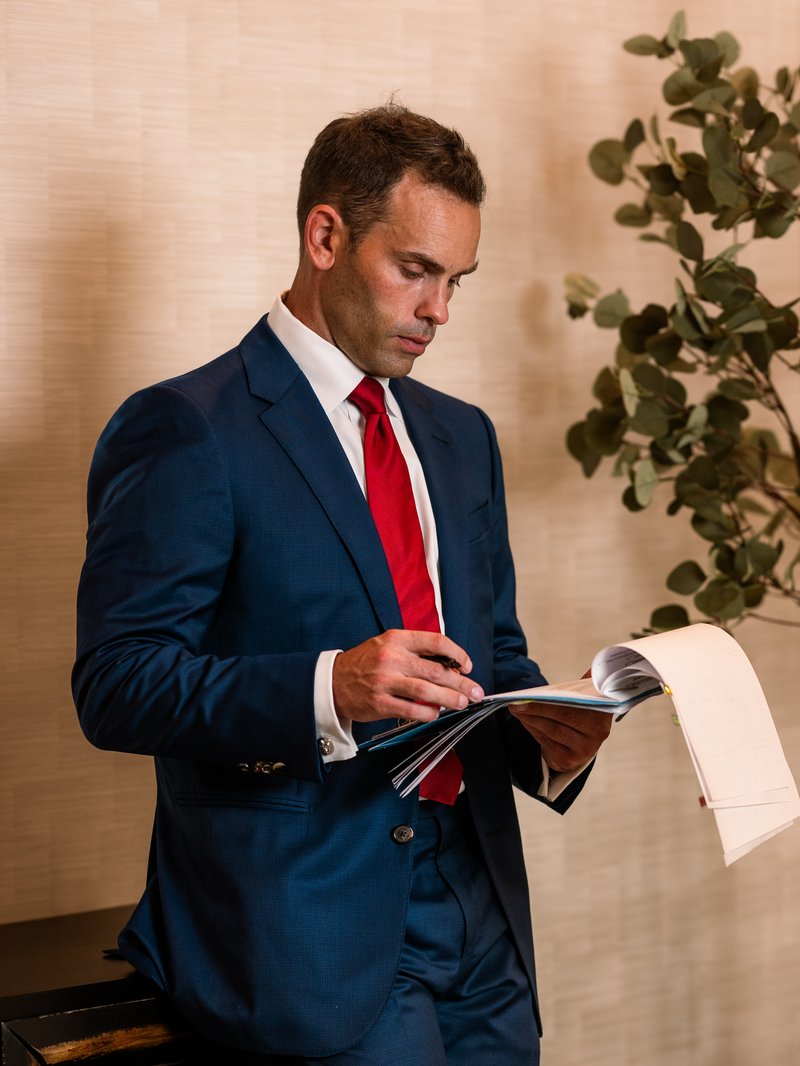
Dr. Travis Boyd, microsurgical breast reconstruction specialist in Macon, Georgia

Restoring Confidence
After Mastectomy

Breast reconstruction is one of the most personal decisions a woman can make after a cancer diagnosis. Dr. Boyd brings advanced microsurgical training from UT Southwestern to provide the full spectrum of reconstructive options, helping each patient choose the path that's right for her body, her goals, and her life.

As a member of the American Society for Reconstructive Microsurgery (ASRM), Dr. Boyd has specialized expertise in perforator flap techniques that use your body's own tissue to create a warm, natural breast — without sacrificing muscle.

Schedule a Reconstruction Consultation
Two Approaches to
Breast Reconstruction

Every patient's situation is unique. Dr. Boyd will walk you through both approaches during your consultation to determine which option best aligns with your anatomy, cancer treatment plan, and personal goals.

Autologous Reconstruction

Using your body's own tissue

Autologous (or "flap") reconstruction uses tissue from another part of your body — typically the abdomen, thigh, or buttock — to recreate a natural, warm, living breast. These procedures use advanced microsurgical techniques to transplant tissue along with its blood supply, preserving muscle function at the donor site.

Autologous reconstruction offers results that look, feel, and age naturally over time. The reconstructed breast is living tissue that changes with your body, creating a long-lasting, maintenance-free result.

Best for: Patients who desire the most natural result, have adequate donor tissue, and want to avoid implants. Often ideal for patients who have had or will need radiation therapy.

Implant-Based Reconstruction

Using breast implants

Implant-based reconstruction uses silicone or saline breast implants to restore breast shape and volume after mastectomy. This approach may involve a tissue expander placed at the time of mastectomy to gradually stretch the skin, followed by exchange to a permanent implant, or in select cases, a direct-to-implant approach in a single stage.

Implant reconstruction typically involves a shorter initial surgery and recovery compared to autologous options, with no secondary donor site. However, implants may require future revision or replacement over a patient's lifetime.

Best for: Patients who prefer a shorter initial recovery, those with limited donor tissue, or patients who are not candidates for longer microsurgical procedures.

Autologous Flap Options

Dr. Boyd is trained in the full range of perforator flap techniques, allowing him to customize the reconstruction to each patient's body type and goals. All flap procedures are "muscle-sparing," meaning the underlying muscle is left intact.

DIEP Flap — Deep Inferior Epigastric Perforator

The gold standard in autologous breast reconstruction. The DIEP flap uses skin and fat from the lower abdomen — the same tissue removed during a tummy tuck — to create a new breast. Unlike older TRAM flap techniques, the DIEP preserves the rectus abdominis muscle entirely, resulting in less pain, faster recovery, and reduced risk of abdominal weakness or hernia. For many women, the DIEP flap offers the added benefit of an improved abdominal contour.

PAP Flap — Profunda Artery Perforator

The PAP flap uses skin and fat from the upper inner thigh to reconstruct the breast. This is an excellent option for patients who do not have sufficient abdominal tissue, have had prior abdominal surgery, or prefer not to use the abdomen as a donor site. The PAP flap provides soft, natural tissue and results in a well-hidden scar along the inner thigh crease.

LAP Flap — Lumbar Artery Perforator

The LAP flap harvests tissue from the lower back and flank region. This option is particularly well-suited for patients who desire reconstruction without using abdominal tissue and who have adequate tissue in the lumbar area. The donor site scar is easily concealed and patients benefit from improved contour in the flank and lower back.

SGAP Flap — Superior Gluteal Artery Perforator

The SGAP flap uses tissue from the upper buttock to reconstruct the breast. This is another valuable alternative for patients who are not candidates for abdominal-based reconstruction. The tissue from this region is often firmer, providing good projection. The donor site scar is positioned to be hidden by most clothing and swimwear.

Implant-Based
Reconstruction

Implant-based breast reconstruction remains an important option for many patients. Dr. Boyd offers both two-stage tissue expander/implant reconstruction and, when appropriate, single-stage direct-to-implant reconstruction.

  • Two-stage tissue expander followed by permanent implant
  • Direct-to-implant (single-stage) reconstruction
  • Silicone and saline implant options
  • Acellular dermal matrix (ADM) support when indicated
  • Prepectoral and subpectoral placement techniques
  • Fat grafting for contour refinement

Dr. Boyd takes the time to explain the benefits and considerations of each approach, including long-term maintenance, so that you can make a fully informed decision about your reconstruction.

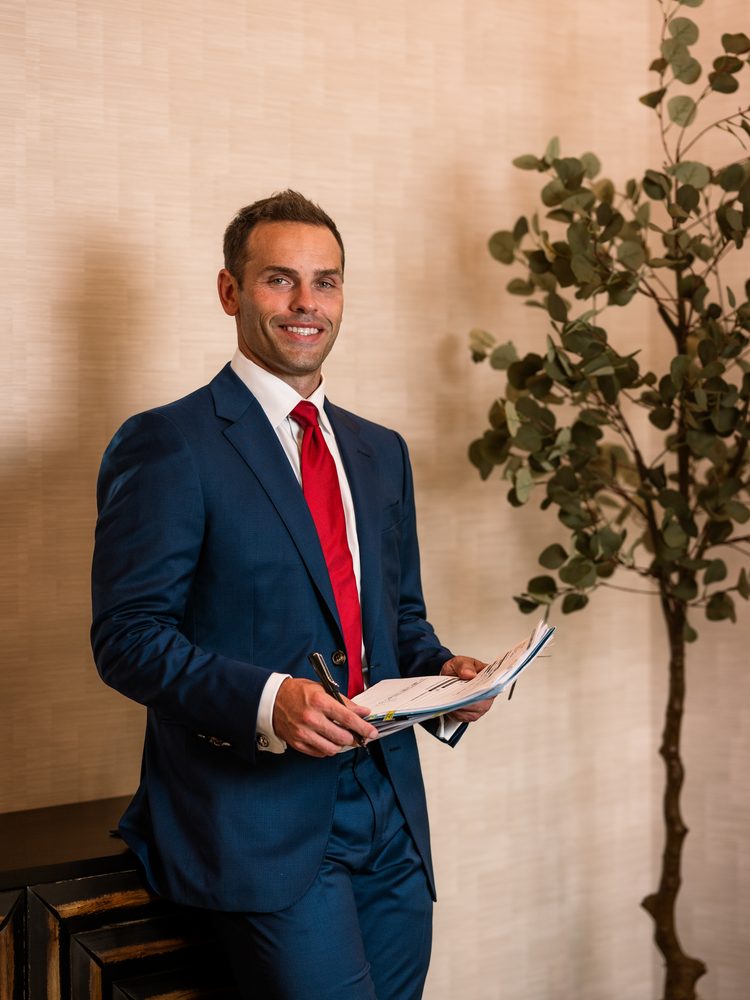
Dr. Travis Boyd reviewing breast reconstruction and implant options with patient

Your Reconstruction Journey

1

Consultation

Meet with Dr. Boyd to discuss your diagnosis, treatment timeline, and explore all reconstruction options.

2

Planning

Dr. Boyd coordinates with your breast surgeon and oncologist to develop a personalized surgical plan.

3

Reconstruction

Your procedure is performed with meticulous microsurgical precision in an accredited surgical facility.

4

Recovery & Refinement

Ongoing follow-up care with any revisions, nipple reconstruction, or fat grafting as desired.

You Deserve to Feel Whole Again

Schedule a consultation to explore your breast reconstruction options with Dr. Boyd.

Request Consultation (478) 474-2200